Overview
The VCU Department of Radiology is dedicated to developing comprehensive residency and fellowship programs that train the next generation of radiologists.
Advancing medical education and research is one of the four strategic pillars of the VCU Department of Radiology's mission. The successful practice of medicine requires an unyielding commitment to education, beginning in the first year of medical school and continuing well beyond residency and fellowship training.
The VCU Department of Radiology is dedicated to fostering lifelong learning in our students, residents, fellows and faculty. In addition to our renowned residency and fellowship programs, we offer specialized courses for medical students and continuing education opportunities.
VCU Medical Center is one of the country’s largest and most sophisticated medical university complexes. The center is at the cutting edge of modern medicine with an active emergency room, Level I Trauma Center, Children's Medical Center with intensive care units, large transplant programs and numerous active clinical research programs.
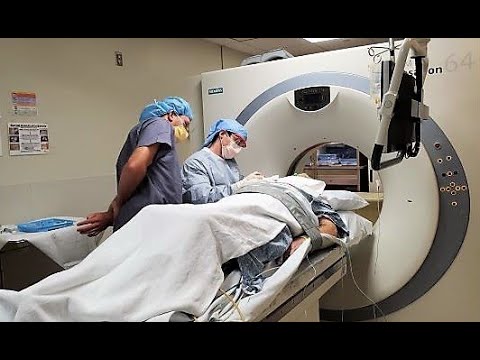
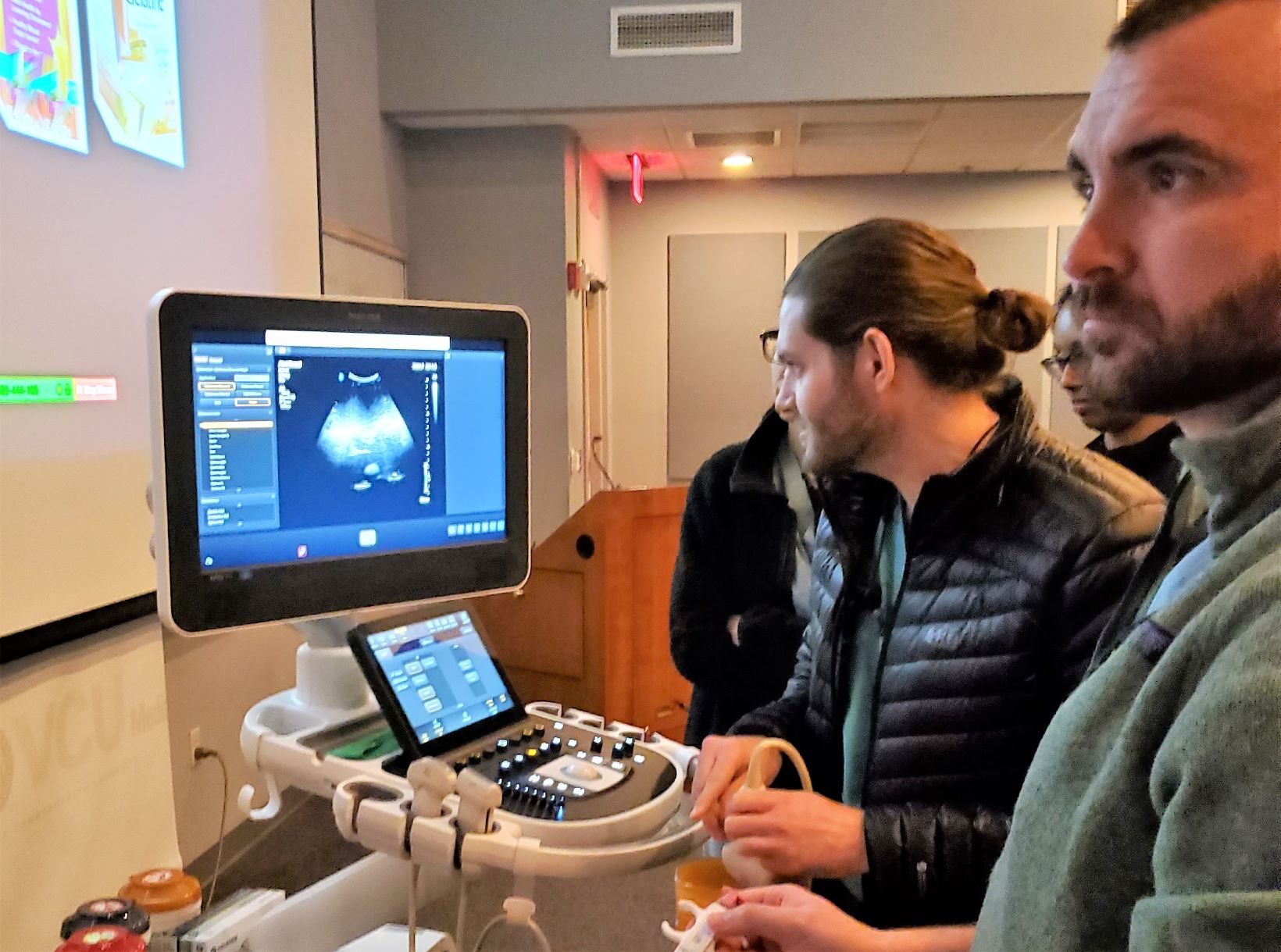
Fellowship Programs
Fellowships in subspecialties include abdominal imaging, breast imaging, cardiothoracic imaging, emergency radiology, musculoskeletal imaging and intervention, women's imaging, MRI, thoracoabdominal imaging and hybrid imaging.
Fellowship applicants should have completed an accredited residency program in diagnostic radiology. Applicants must also be board eligible or board certified at the time of the fellowship year.
Learn More About Our FellowshipsContinuing Education
Presentations, Conferences and Review Sessions
The VCU Department of Radiology sponsors visiting professorships at least three times throughout the year. Renowned academic radiologists visit the department, present afternoon conferences and conduct board-style film review sessions. Residents and practicing radiologists in Central Virginia are also invited to hear presentations by visiting professors at the Richmond Radiological Society dinner meetings.
Topics presented by the speakers vary and typically represent the speaker’s particular subspecialty area within the field of diagnostic and interventional radiology or nuclear medicine.
Elective Courses for Medical Students
VCU medical students have the option of enrolling in a general radiology elective course, as well as electives in abdominal imaging and research, and emergency and trauma radiology. Follow the link to learn about radiology elective courses for VCU medical students.
Radiation Sciences
The VCU College of Health Professions offers a number of undergraduate concentrations in clinical radiation sciences, including nuclear medicine technology, radiation therapy, radiography, and diagnostic medical sonography (ultrasound). Curricula includes both theoretical and practical course work and clinical experience in a variety of health care settings. Learn more about VCU radiation sciences.